
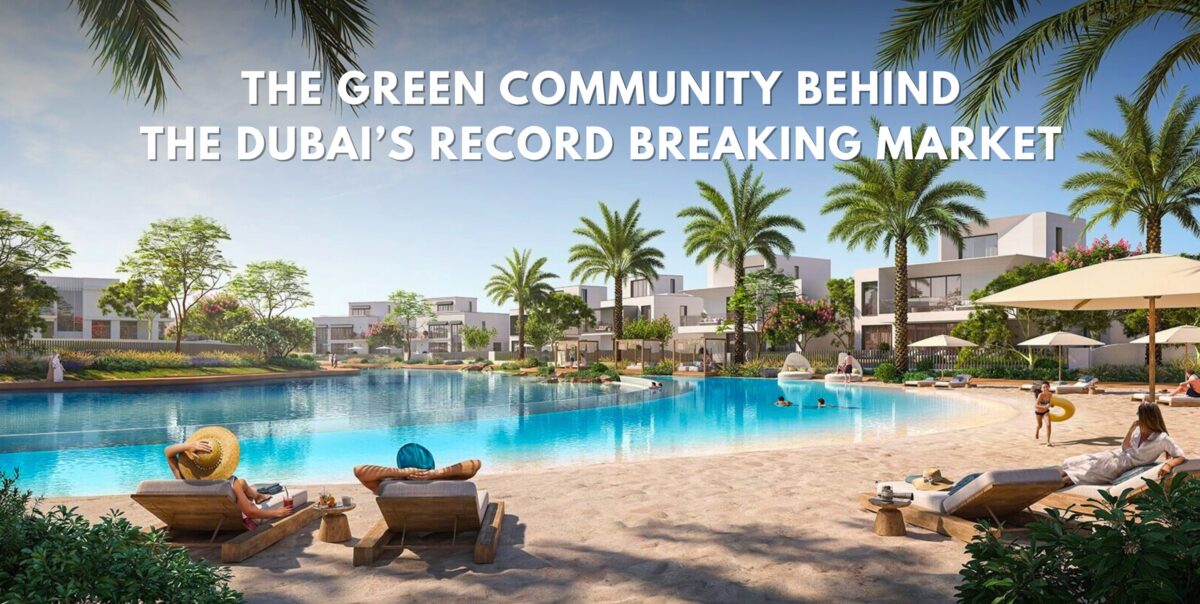
For years, the most significant changes in Dubai living have been driven by spacious, stand-alone villas and master-planned green communities. These neighborhoods don’t just offer homes; they redefine the residents’ quality of life.
History speaks for itself. Consider Al Barari, which launched in the middle of the desert back in 2005. Today, it’s a beloved, lush sanctuary where villa values have shot up by over 220%. Similarly, Emirates Hills demonstrates that limited supply, genuine end-user demand, and exclusivity create a long-term asset value that only gets stronger over time.
We are now seeing the start of the next major chapter, and Emaar’s OASIS is emerging as the modern heir to these success stories. It is designed to meet current demands: excellent planning, abundant greenery, soothing water features, and family-focused villas that guarantee privacy and a superior lifestyle.
Dubai’s Market is Being Reshaped by Lifestyle
The latest data confirms this direction. The ValuStrat Residential Price Index reached 227.3 points in August 2025, marking a huge 22.1% year-on-year growth. This isn’t a temporary spike; it’s a clear signal that shifts in lifestyle preferences, international migration, and new buyer expectations are permanently transforming Dubai’s property landscape.
At the core of this transformation are low-density, sustainable master communities and villas. This is where the highest growth potential lies.
Where the Market Momentum is Strongest (2025–2026)
- Villas Remain King: Villas continue to be the top performers. Values are increasing rapidly in landscaped and waterfront districts like Jumeirah Islands, Palm Jumeirah, The Meadows, and Green Community West, which are recording the highest appreciation rates. Families are firmly driving this demand, prioritizing space, private gardens, and tranquility away from the city hustle.
- Affordable Areas Gaining Traction: Specific apartment zones are also seeing strong growth. Areas like The Greens, Silicon Oasis, Remraam, and Dubai Production City are performing well, largely due to their affordability, excellent connectivity, and high rental demand. Improved infrastructure is consistently followed by an increase in property value, a trend set to continue into 2026.
The Era of Nature-Focused Living
Dubai’s newest developments are moving beyond basic amenities to prioritize greenery, walkability, and holistic wellness. Projects like The Acres (a LEED Gold neighborhood), Saas Hills (focusing on eco-luxury), Sobha Elwood, and The Sustainable City (car-free and solar-powered) highlight this fundamental change. It’s more than just a trend; it’s a non-negotiable lifestyle expectation. Buyers, whether families or investors, are now seeking communities that feel more natural, peaceful, and connected to the outdoors. Developers are actively responding to this shift.
The Driving Force: Off-Plan Sales
Off-plan transactions remain the primary engine of Dubai’s real estate market. In late 2025, over 60% of all deals were off-plan, fueled by attractive payment plans, the launch of new master communities, and strong investor trust.
Areas like Business Bay, Jumeirah Village Circle (JVC), and Dubai South are leading these sales, a momentum that is expected to continue throughout 2026, especially as major developers plan to release substantial new projects.
Key Investment Zones to Monitor in 2026
Next year’s biggest growth areas are projected to be:
- Dubai South: The new airport expansion and the upcoming Blue Line metro position this area as one of the most crucial investment hubs in the city. Read Article.
- Arabian Ranches 3 & Surrounds: Demand is set to increase significantly as properties are handed over and the landscaping matures.
- Emaar OASIS: This large-scale, nature-centric master community is expected to set the benchmark for modern villa living.
- Palm Jebel Ali: A premier waterfront destination attracting both luxury investors and end-users seeking a modern, high-end lifestyle.
- Green Community West / DIP: Consistent family demand will continue to drive villa prices higher in this established area.
- Wellness & Green Projects: Any project prioritizing walkability, greenery, and sustainability—such as Palm Jebel Ali, Dubai Hills, DAMAC Hills, and Sobha Hartland 2—is poised to outperform the general market.
Ultimately, Dubai’s market strength is not just about rising prices; it’s a reflection of improved quality of life, forward-thinking long-term planning, and the creation of communities that genuinely upgrade how people live. The future identity of Dubai real estate is being defined by spacious, green, and meticulously master-planned neighborhoods, which will maintain the highest levels of investor confidence moving into 2026.


